


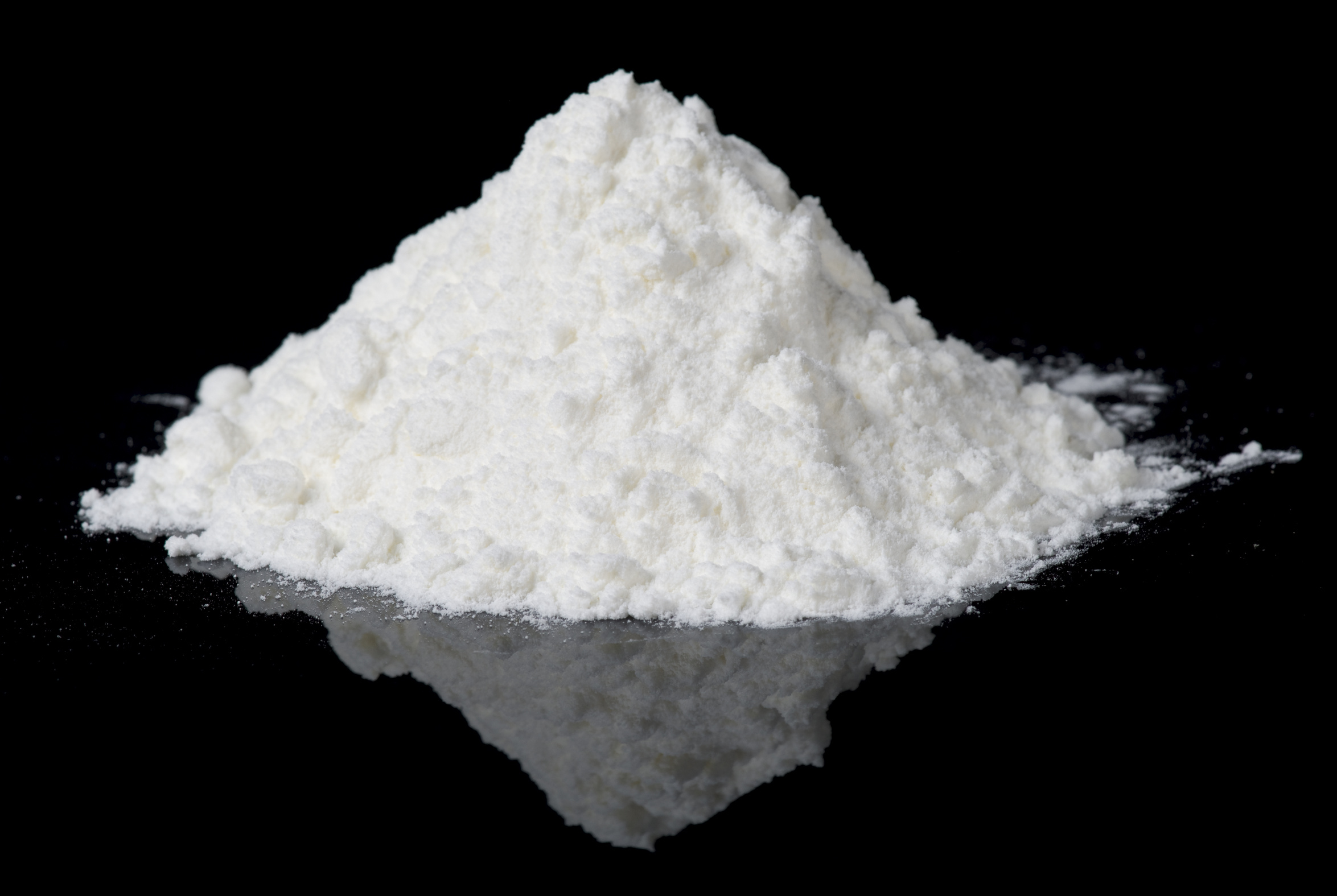
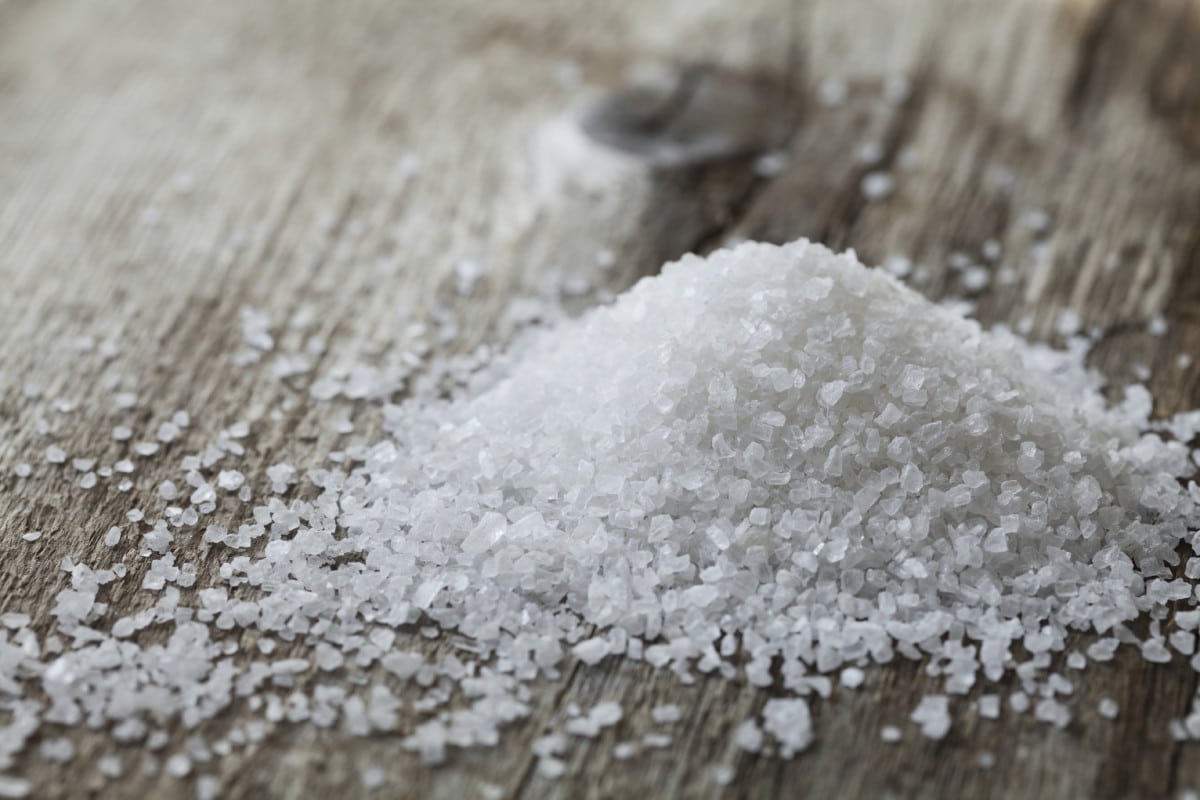
What is soda ash? Sodium carbonate (Na2CO3) is also known as bicarbonate, soda ash, soda crystals and washing soda.
It is one of the most important industrial chemicals that is widely used in the production of other alkaline products, sodium salts, etc.
Soda ash is the common name of anhydrous sodium carbonate, which is used industrially. Sodium carbonate or soda is actually the sodium salt of carbonic acid, which is normally a white solid.
Sodium carbonate is produced on an industrial scale through the Solvay process using ammonia, limestone and salt.
One of the most important applications of sodium carbonate is the use of this substance in the glass production industry. Sodium carbonate has relatively strong alkaline properties and can be extracted from the ashes of many plants.
Physical and chemical characteristics of sodium carbonate
The melting temperature of sodium carbonate is 851 degrees Celsius. This product decomposes at higher temperatures. Therefore, the boiling point is not defined for this material. The solubility of sodium carbonate in water at 20 degrees Celsius is equal to 215 grams per liter.
Physical characteristics of carbonate
Sodium carbonate reacts with carbon dioxide and water to produce sodium bicarbonate.
Na2CO3 + CO2 + H2O → 2NaHCO3
Sodium bicarbonate produces sodium carbonate in the presence of soda.
NaHCO3 + NaOH → Na2CO3 + H2O
Dissolving sodium carbonate in water is an exothermic reaction.
Two types of sodium carbonate are used for industrial applications
Heavy sodium carbonate
Light sodium carbonate
The difference between heavy sodium carbonate and light sodium carbonate is only in density, particle size and their application, and they are not chemically different from each other.
Heavy sodium carbonate has a mass density of about 1000 kg/m3 and particles with a size of 300 to 500 microns.
This type of carbonate is often used in glass factories. Coarse granule particles like this type cause the absence of dust and impurities and reduce the possibility of particles spreading during transportation.
The density of light sodium carbonate is about 500 kg/m3 and the size of light sodium carbonate particles is about 100 microns.
What is the use of soda?
Sodium carbonate is one of the materials that have various applications in different industries. Among the uses of sodium carbonate (soda ash), we can mention the following.
Glass making: sodium carbonate is used in glass making industries.
Using this material in glass making reduces the temperature of glass formation and saves energy.
Production of chemicals: sodium carbonate in the production of various chemicals such as sodium bicarbonate, sodium
Silicate, sodium triple phosphate, sodium dichromate, sodium aluminate, sodium cyanide, etc. . . To work
goes.
The use of soda ash in detergent industries:
Paper production: In paper production industries, sodium carbonate is used as an acidity regulator and also to decolorize waste paper.
Production of soap and detergent: soda ash is used as an alkali agent in the production of soap and detergents.
Water softening: sodium carbonate removes calcium and magnesium ions from water and reduces its hardness in the ion exchange process.
Municipal water tanks: soda ash is used as a common additive in municipal tanks to neutralize the acidic effect of chlorine and increase pH.
The use of soda for home use
Sodium carbonate is used in homes as a water softener for washing clothes.
Dyeing: It is used as a bonding agent between dyes and fibers.
Food industry: It is used as a pH regulator and preservative.
Electrolysis: As an electrolyte, it increases the rate of water decomposition.
Taxidermy: It is used in the process of removing meat from bones.
Chemistry laboratories: It is used as a primary standard in titration reactions.
Toothpaste: It is used as a foaming agent to increase pH.
Brick making: As a moistening agent in the production of dough, it reduces the amount of water consumption.
Textile industry: It is used as an anti-acid agent in silk processing.
Petrochemical and crude oil refining: It is used as a neutralizer in petrochemical processes.
Refinement of vegetable oils: acts as a separating agent of free fatty acids.
Desulfurization of smoke: It is used in the process of removing sulfur from smoke coming out of chimneys.
What is soda? And what materials are needed to produce it?
The raw materials needed to produce sodium carbonate by the Solvay method are limestone, common salt, and ammonia, which is produced according to the following reactions of sodium carbonate.
CaCO3 → CO2 + CaO
2NH3 + CO2 + H2O →(NH4)2CO3
(NH4)2CO3 + CO2 + H2O → 2NH4HCO3
NH4HCO3 + NaCl → NaHCO3 + NH4Cl
2NaHCO3 → Na2 CO3 + CO2 + H2O

