


liquid interest
Sodium hydroxide is one of the widely used bases, which is chemically one of the sodium salts. This compound is known by different names such as: liquid soda, caustic soda, ash soda, caustic soda, sodium hydroxide, alkali, alkaline soda, sodium hydrate and caustic soda, which has the chemical formula NaOH. Liquid soda absorbs iron and moisture and absorbs carbon dioxide from the environment. Liquid soda dissolves easily in water and is equally soluble in ethanol, glycerin and methanol. It should also be noted that since this substance quickly absorbs carbon dioxide from the air, during the reaction of these substances There is a possibility of severe chemical changes and severe shock or heat can cause an explosion. Normally, this substance is stable and becomes unstable if heated. Liquid soda will have a corrosive effect when it comes into contact with the skin, and to prevent the burning effects of this substance, the safety provisions (MSDS) must be observed. Sodium hydroxide can be crystallized from solutions of suitable composition. That is, NaOH solutions can be easily cooled to many degrees, which allows you to form hydrates from solutions of different concentrations. However, when the temperature is above 12.58 °C, it often decomposes into solid monohydrate and liquid solution. Unlike sodium hydroxide, which is soluble, most transition metal hydroxides are insoluble, and therefore sodium hydroxide can be used to precipitate metal hydroxides. A concentrated aqueous solution of 50% sodium hydroxide has an intrinsic viscosity of 78 mA, which is much higher than water (1.0 mA) and higher than olive oil (85 mA) at room temperature. The viscosity of aqueous NaOH, like any liquid chemical substance, has an inverse relationship with its service temperature, that is, as the temperature increases, its viscosity decreases and vice versa. The viscosity of sodium hydroxide solutions has a direct role in its use and storage.
Reactivity of liquid soda
There are drastic chemical changes.
Strong shock or heat may cause explosion.
It is usually stable and becomes unstable when heated.
This substance mostly affects human and animal tissues such as leather, skin and eyes.
It easily reacts with reducing sugars such as maltose, fructose and galactose and produces carbon monoxide.
Application of liquid interest
It plays a role in paper pulp production, aluminum refining, soap making, food industry, water purification, cement and concrete production. Boron is used as a detergent and industrial grease in various industries. Washing grease, fats, proteins from tanks and silos, as well as cleaning pipes and industrial wastewater from sediments are among its industrial applications. It is used to adjust the acidity of oil and gas extraction wells. Sodium hydroxide can be used for basic hydrolysis of esters (such as soap making), amides and alkyl halides. However, the limited solubility of sodium hydroxide in organic solvents means that more potassium hydroxide solution is preferred. Although it is not recommended to touch the sodium hydroxide solution with the skin, it creates a slippery feeling. This happens due to the presence of oils in the skin, such as sebum, which turn into soap. Despite its solubility in propylene glycol, it is unlikely to replace water in soap making due to the initial reaction of propylene glycol with fat, before the reaction between sodium hydroxide and fat.
Technical specifications of liquid profit
Product name: sodium hydroxide
Chemical formula of soda: NaOH
Purity percentage: 31 and 50 percent
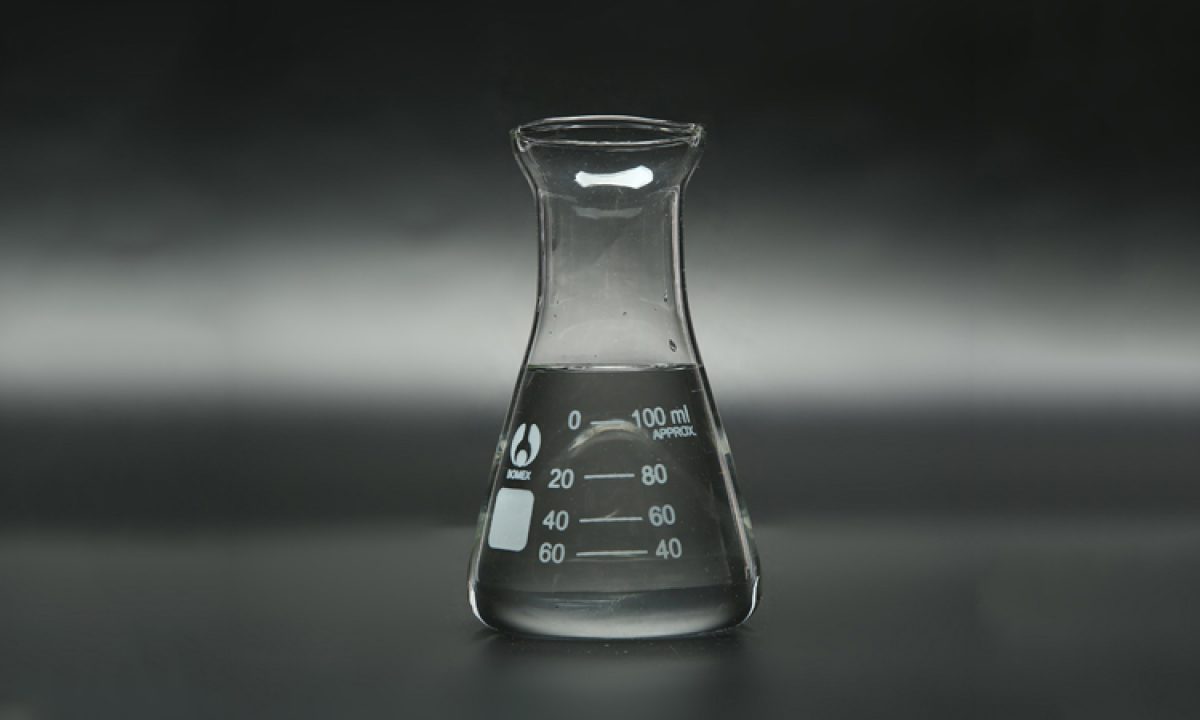
Appearance: colorless transparent liquid
Freezing point: 4.4 C°
Melting point: 318 C°
Boiling point: 145 C°
Molecular mass: 40 g/mol
Density: 2.13 g/cm³
Solubility: soluble in water, ethanol and methanol

